

My Store
Atrio Earrings HOOPS Portugal Viana - Stainless Steel Hypoallergenic Folk Pavlovsky Posad Pavlovo Orenburg Downy Pashmina 2"
Atrio Earrings HOOPS Portugal Viana - Stainless Steel Hypoallergenic Folk Pavlovsky Posad Pavlovo Orenburg Downy Pashmina 2"
Couldn't load pickup availability
WEAR A PIECE OF HISTORY!
QUESTION: Are your tiles real antique Portuguese Azulejo tiles?
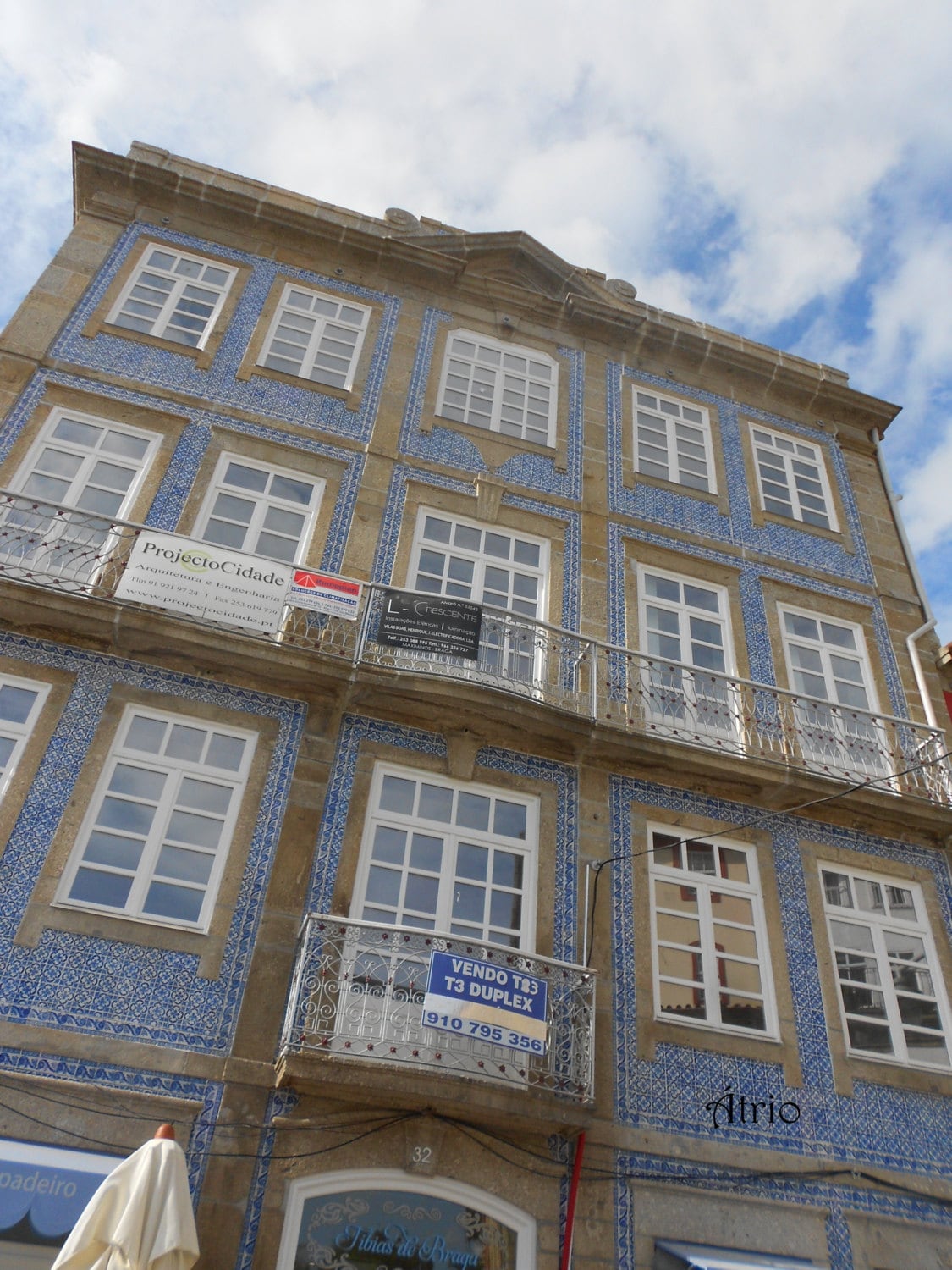
ANSWER: Absolutely not. In our description of each item, we try to call attention to the theft and destruction of antique Portuguese tiles. Even the tiles found in flea markets and antique stores were most likely stolen off a building during the night. We have seen entire home facades disappear during the night to thieves. Thankfully, Portugal just passed a law declaring this theft a crime. We can only hope that it will one day be enforced.
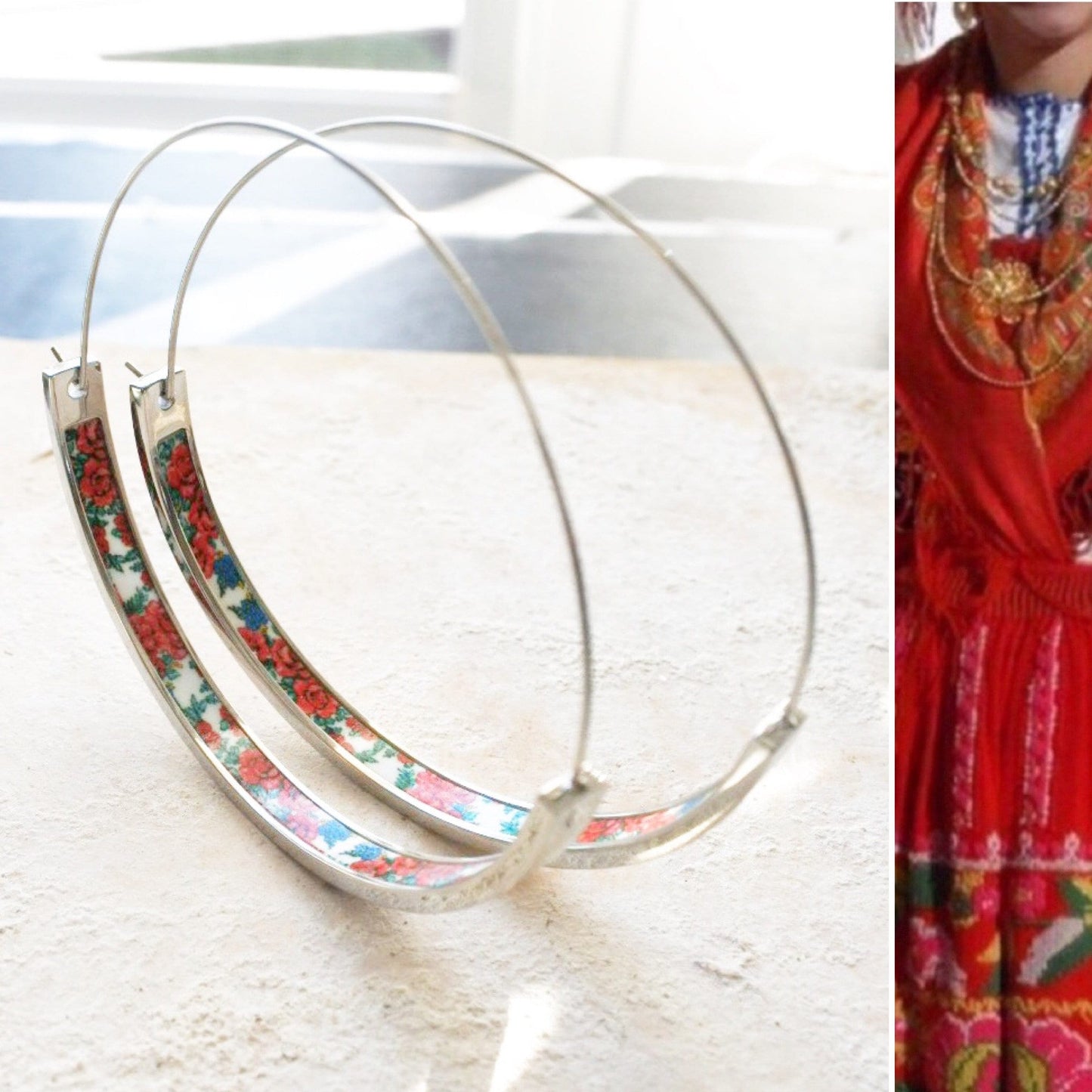
For this reason, we have no part in this despicable crime. We make our own tiles from polymer clay. Ceramic would be far too heavy for earrings and impossible to mold into the shapes we want. For the hoops, we mold the clay as thin as we can get it, so that it will look pretty inside the hoops.
QUESTION: What kind of metal is it?
ANSWER: SOLID STAINLESS STEEL
If it is gold tone, it has a real gold wash. It is not gold plated. Stainless steel is hypoallergenic and nickel free.
These hoops are 2" and are stainless steel. They will come in a gift box.
Metric Conversion Table:
1 1/4" = 3.18cm
1 1/2" = 3.81cm
2" = 5cm
Wear a Piece of History!
The "Lavradeiras da Viana" were farm women from the northern area of Portugal, called Viana do Castelo. They wore colorful scarves around their shoulders and on their heads in rich and vibrant colors of red, cobalt blue, yellow and green.
Please copy and paste this video of the typical folklore dances from this area:
http://www.youtube.com/watch?v=TKZacXWCtSo&feature=related
Thank you,
The term Azulejo or Tile dates back to the time of Arab occupation of the Iberian Peninsula. The term "azulejo is derived from the Arab word (al zulej) which means a smooth and polished stone. It wasn't until the 16th century that the process was perfected into the tile we know today.
Wear a Piece of History!
Share